
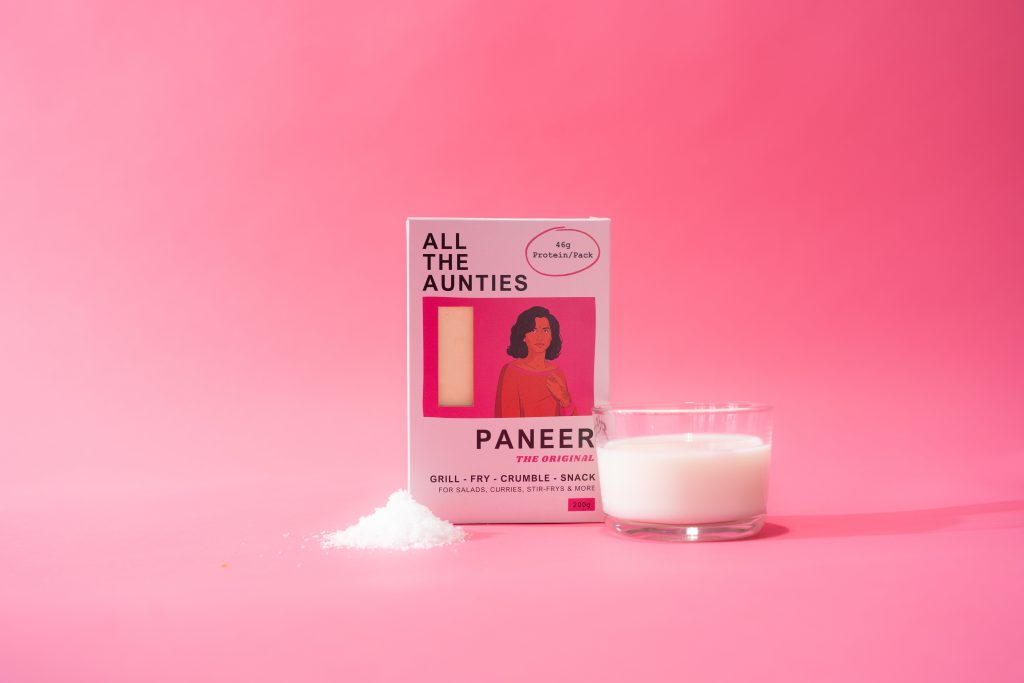
So… what actually is paneer?
Paneer is a fresh cheese made from cow’s milk. It’s soft, mild, and holds its shape when you cook it, which is where it starts to differ from most of the cheeses you’ll be used to. It doesn’t melt into a puddle, it doesn’t stretch, and it doesn’t squeak. Instead, it crisps up on the outside and stays soft and creamy in the middle.
At All The Aunties, we handmake our paneer in the UK using 100% British milk, which gives it that light, slightly fluffy texture we care a lot about getting right.
Why all the interest in paneer?
Paneer isn’t new. It’s been a staple in Indian cooking for generations. What’s changed is how people are cooking.
There’s been a clear shift towards food that’s high in protein, less reliant on meat, and actually easy to use midweek. Tofu and halloumi have both had their moment in that space, but paneer has largely been left out of the conversation – despite arguably being more versatile.
It’s naturally high in protein (around 46g per pack, which is roughly the same as seven eggs), vegetarian, and doesn’t require much effort to cook well. The barrier has never really been the product, it’s been awareness. People either haven’t heard of it, or they think it only belongs in one type of dish (a saag paneer…).
That’s the bit we’re trying to change.
What does paneer actually taste like?
Paneer is mild, creamy, and slightly milky, but it’s not bland in the way people sometimes assume. It’s better thought of as a base – something that carries flavour rather than competing with it.
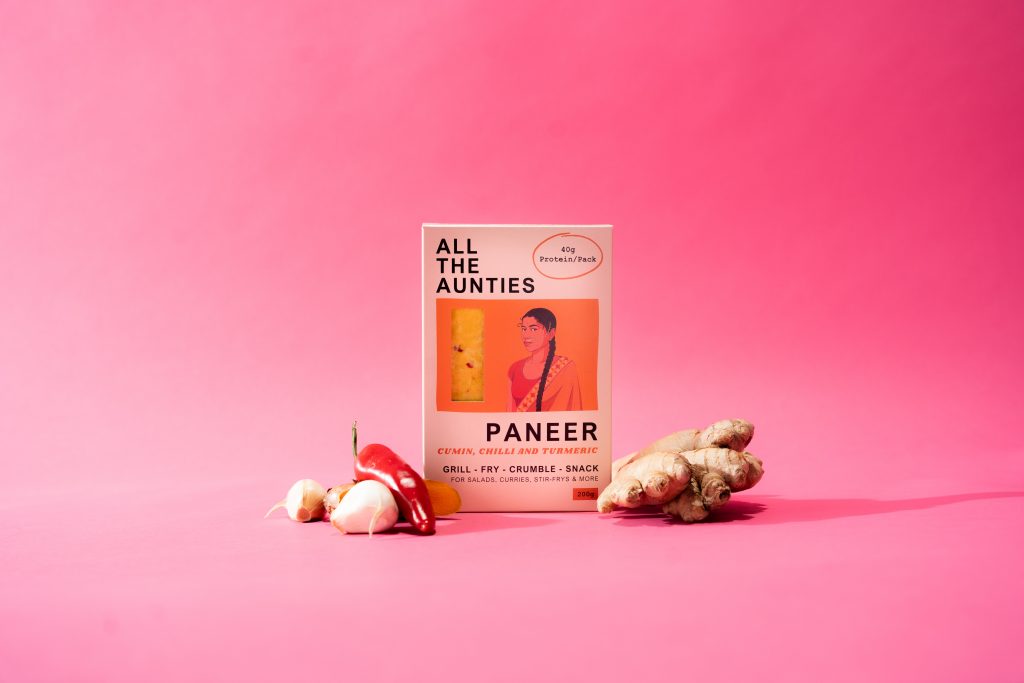
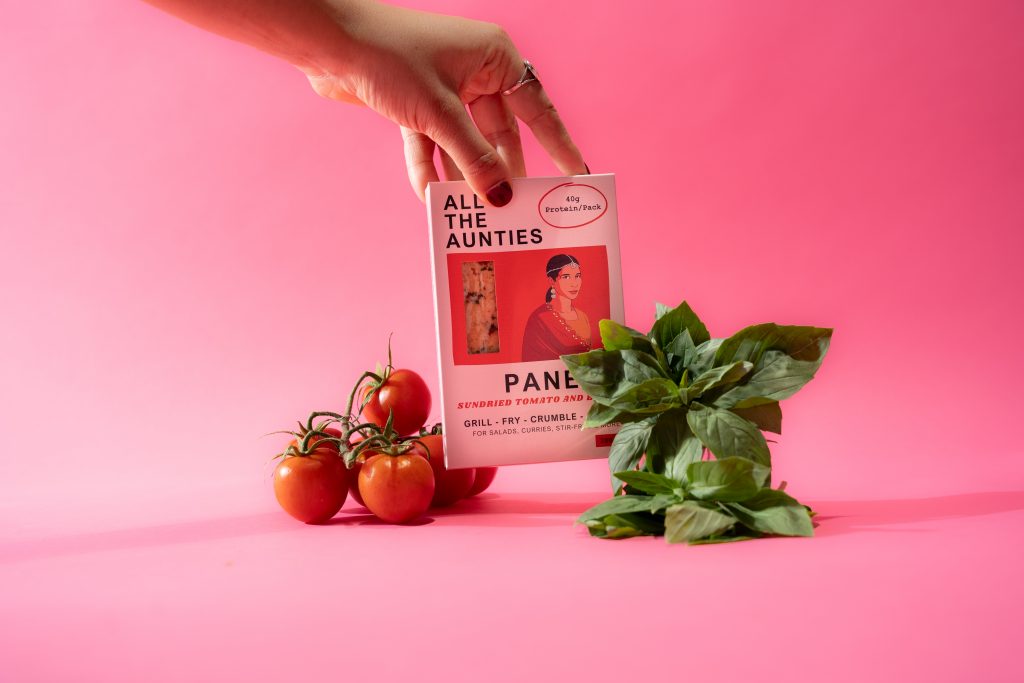
Because it absorbs spices, marinades and sauces so well, it works across a lot more cuisines and dishes than you’d expect. You can keep things simple with our Original Paneer, or lean into something with a bit more personality. Our Cumin, Chilli & Turmeric flavour brings warmth and spice, while Garlic & Herb sits somewhere more familiar and easy, especially if you’re just getting started, perfect tossed in a salad.
It’s one of those ingredients that adapts to how you cook, rather than the other way around. You really can’t go that wrong.
How is paneer different from halloumi, tofu or feta?
This is usually where people try to place it, so it’s worth being clear.
Paneer and halloumi are often compared because they both hold their shape when cooked, but they behave quite differently. Halloumi is firmer, saltier, and has that distinctive squeak, whereas paneer is softer and more neutral, which makes it easier to build flavour around.
Compared to tofu, paneer is richer and more forgiving. It doesn’t need pressing or careful handling, and it tends to be more satisfying from a texture and flavour point of view. And while feta is crumbly and quite sharp, paneer is much milder, which gives it far more range in how you use it.
In short, paneer doesn’t really replace any of these – it just fills a gap that’s been there for a while.
How do you cook paneer?
Traditionally, paneer would be cubed, fried, and added into curries. That’s still a very good way to use it, but it’s far from the only one.
You can fry it for crispy edges, grill it for something a bit more structured, crumble it over salads, or throw it into stir-fries and wraps. Because it doesn’t melt, it holds up well in all sorts of dishes, which makes it particularly useful for quick, everyday cooking.
It’s also quite forgiving. You don’t need to get everything exactly right for it to work, which is part of the appeal.
Why we built All The Aunties around paneer
For us, paneer was the obvious starting point.
Three generations of our family have lived outside of India, and the way we cook has always adapted to where we are. The food our Aunties made wasn’t about strict rules or tradition for the sake of it – it was about feeding people well, using what was available, and making things work in real life.
Our mission is to break Indian ingredients out of the curry house and into everyday cooking, because that’s how they’ve always been used at home. Paneer just happens to be one of the clearest places to start.
Where to start if you’ve never tried it
If you’re new to paneer, the best approach is to keep things simple.
Start with Original Paneer, cut it into cubes, and fry it in a bit of oil until golden. Add some salt, chilli flakes, maybe a squeeze of lemon, and you’ve already got something that works.
From there, you can build it into whatever you’re cooking – wraps, salads, stir-fries or on toast. It doesn’t need to be complicated to be good.
Final thought
Paneer isn’t a trend, it’s just been overlooked.
Now that people are cooking in a way that values flexibility, flavour and ease, it finally fits. And once you start using it properly, it tends to become one of those ingredients you reach for without thinking.
Don’t fear, add paneer.
(and don’t tell Uncle)